
Application Guides & Technical Articles
Practical guides on cable protection, conduit selection, standards and repair — written to help with specification decisions, not to sell a specific product first.

Self-closing vs expandable braided sleeving
Compare installation access, material, bundle sizing and order quantities.

Federal-Mogul and Tenneco Sleeving Alternatives: Expando, ROUNDIT and FyreJacket Sizes Matched
Expando, ROUNDIT, FyreJacket and ThermFlex sizes matched to Synflex sleeving at the same bundle range.
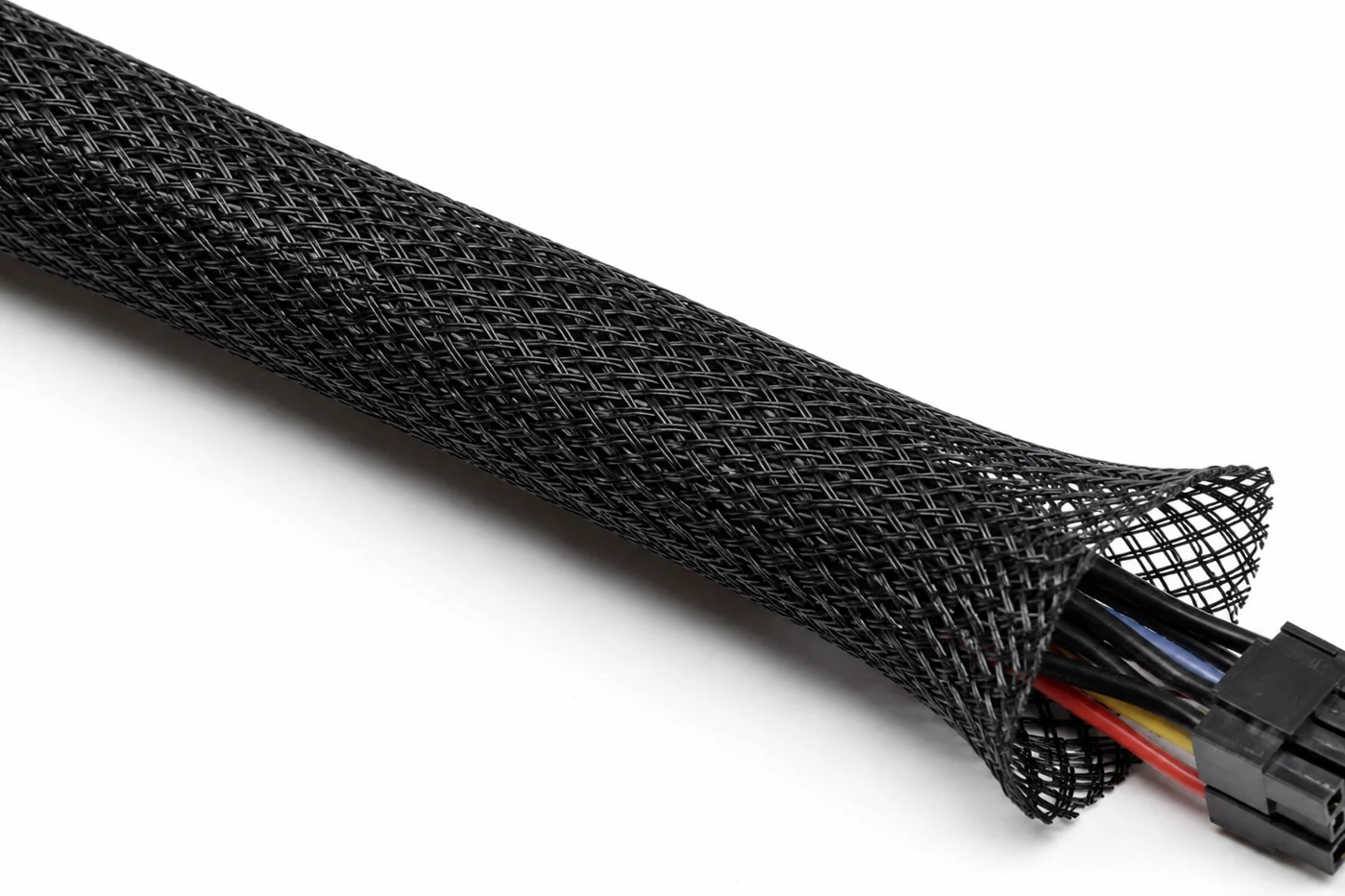
HellermannTyton Alternatives in India: Size-Matched Sleeving, Conduit and Spiral Wrap
Twist-In, Helagaine, HelaGuard and SBPE sizes matched to Synflex sleeving at the same bundle range.

Beyond Cables: Using a Water-Activated Repair Wrap on Conduit, Hoses, Trays and Joints Around the Plant
Cracked conduit, chafed hoses, sharp tray edges: where a repair wrap works beyond cables, and why it is never a leak or pressure repair.
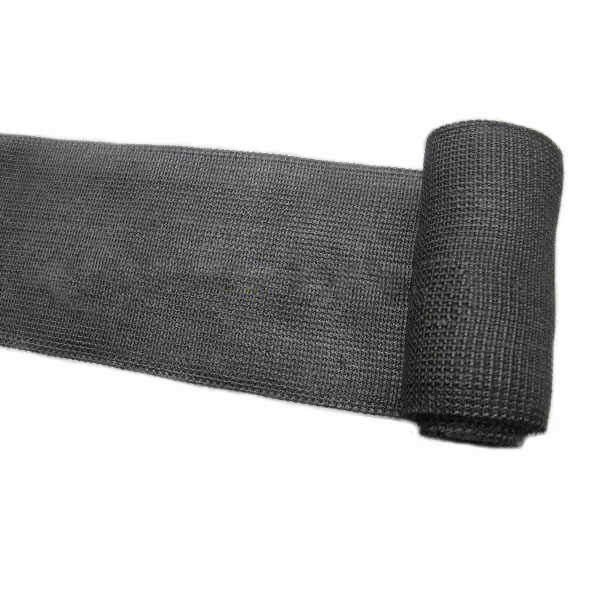
How to Apply a Water-Activated Repair Wrap: Step by Step, With the 7 Mistakes That Make It Fail
Prepare, dip, wrap, mould, cure. The step-by-step method, how much roll each cable needs, and the 7 mistakes that ruin a repair.

Grading Cable Damage Layer by Layer: When to Wrap, When to Joint, When to Replace
Damaged cable? Grade it layer by layer, run two checks, then decide: wrap it, joint it or replace it.

Cable Damage in Robot Cells and Assembly Lines: Where a Rigid Repair Wrap Belongs, and Where It Doesn't
Cables in robot cells fail in the same few places. Which ones a rigid repair wrap fixes, and which need sleeving or conduit instead.
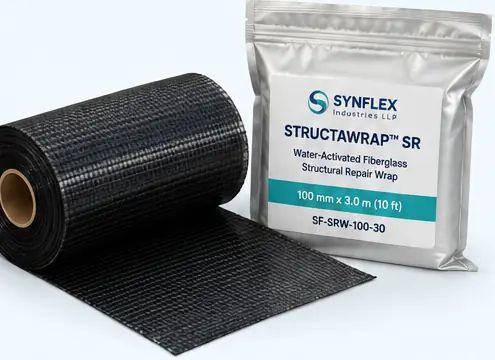
How a Water-Activated Repair Wrap Turns Rigid in Six Minutes, and What Its Test Numbers Mean
A soft bandage, five seconds in water, a hard shell six minutes later. The chemistry behind armour wrap, and what its test numbers mean.

5,000 Flex Cycles at −40 °C and +150 °C: How We Test PA-6 Conduit for Moving Machinery
PA-6 conduit through 5,000 flex cycles at −40 °C and +150 °C. How the tests work and what they mean for moving machinery.

Tensile Strength of Flexible Conduit: What 500 N Means, and Why the Break Happens at the Fitting
We pulled a PA-6 conduit assembly apart until it failed at 500 N. What tensile strength means, and why the fitting decides it.
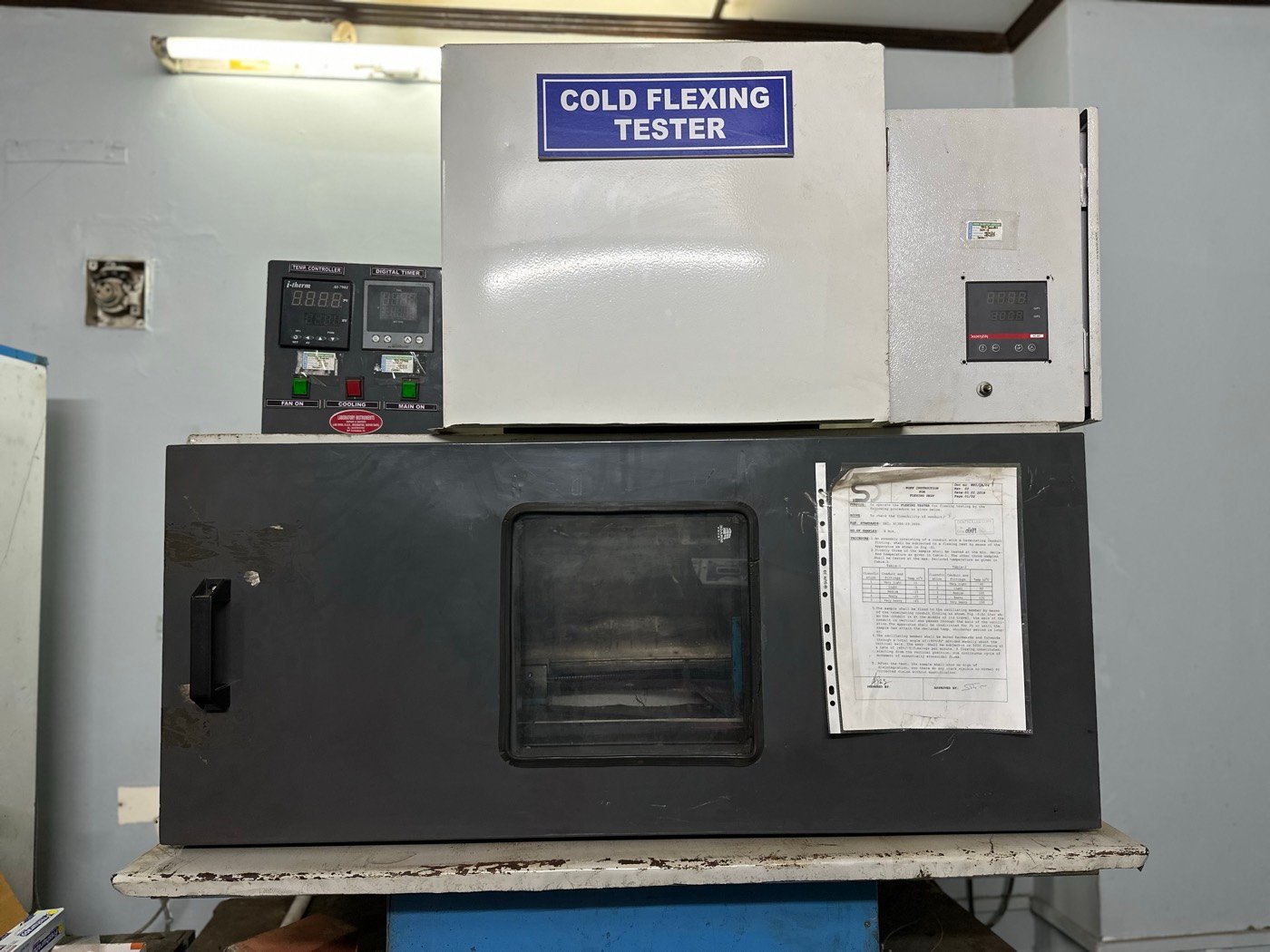
Inside the Braiding Machine: How Expandable Fibreglass Sleeving Is Made
Every metre of expandable fibreglass sleeving starts as kilometres of glass yarn on a cone.

Aramid Sleeving for Defence and Aerospace: The Documentation That Gets It Past Goods-In
In defence and aerospace, a sleeve with perfect properties and poor paperwork won't get past goods-in.
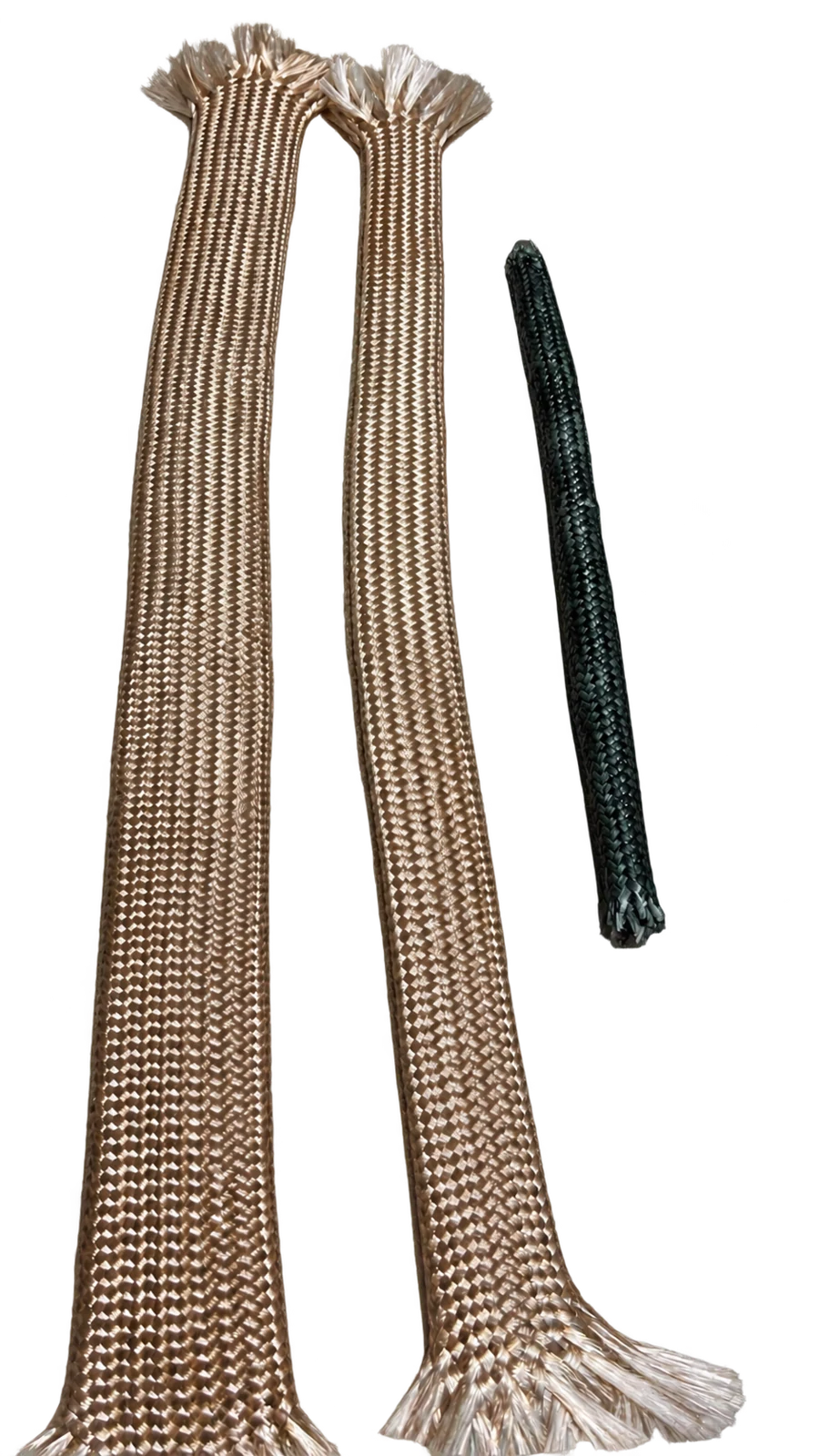
The 6 Numbers Your Sleeving Supplier Needs: How to Specify Heat-Treated Fibreglass Sleeving
"Need 6 mm high-temperature sleeve, please quote" leaves a supplier guessing.

Fibreglass Sleeving in EV Motors and Solar Inverters: Where It Fits and Where It Doesn't
Every supplier says its sleeving is ideal for EV and solar. Here is where glass braid genuinely fits, and the standards that decide it.

Aramid Sleeving's Honest Weaknesses: UV, Moisture, Chemicals and How to Design Around Them
Aramid sleeving is strong, light and doesn't melt. It also fades in sunlight, absorbs water and dislikes bleach. How to design around each.
Sleeving for Injection Moulding Machines: Hot Runners, Nozzle Heaters and Thermocouple Leads
A hot runner mould can bring more than 60 hot wires through steel channels that are opened at every mould change.
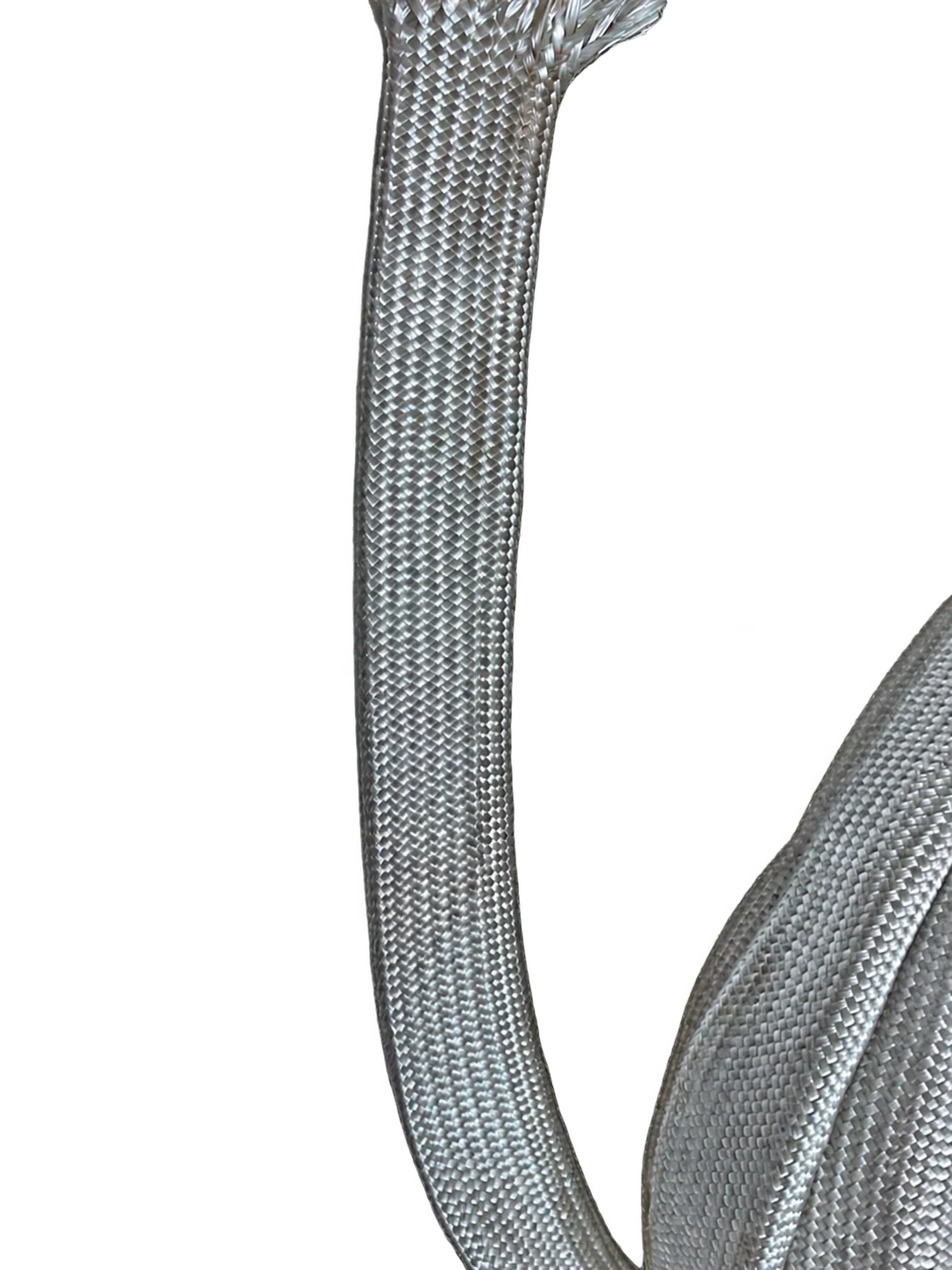
Motor Rewinding: Using Fibreglass Sleeving on Lead-Outs, Joints and Sensor Leads
Every rewinding shop uses fibreglass sleeving, often out of habit. Here is how to choose it by thermal class, lead size and varnish process.
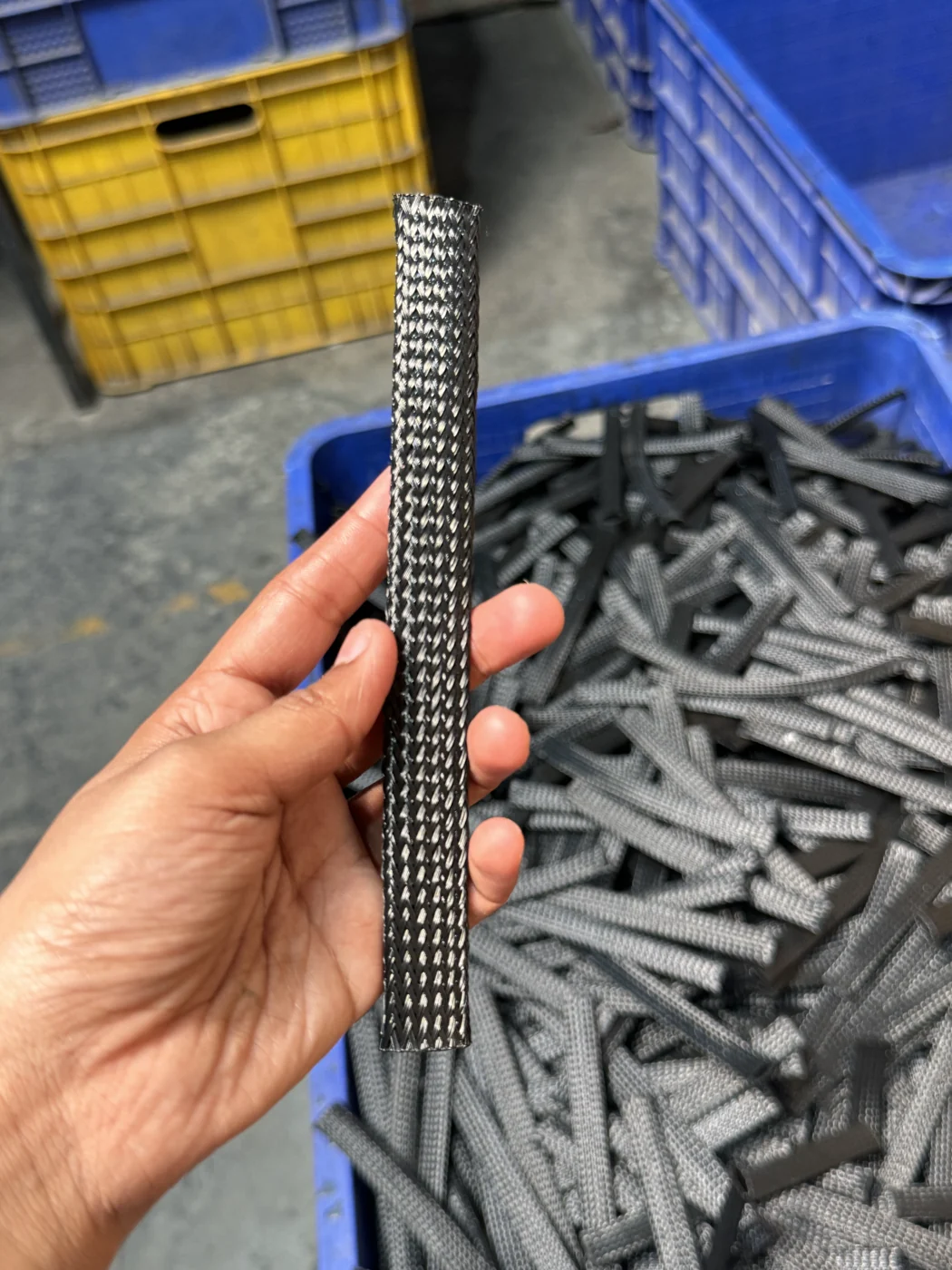
Aramid vs Fibreglass vs PET: Choosing Braided Sleeving for Aerospace and Defence Harnesses
One defence harness can pass an exhaust, a sharp bulkhead, a crew compartment and a sunlit external mount.
Protecting Heater Lead Wires: A Sizing Guide for Cartridge, Band and Tubular Heater Makers
Many heater failures happen in the last few centimetres, where the leads leave the element.

Glass You Can Tie in a Knot: The Physics of Why Fibreglass Braid Bends
A window pane snaps if you bend it a few millimetres, yet a glass filament can be looped into a knot.
Why Aramid Doesn't Melt: The Molecular Story Behind Para-Aramid Sleeving in Defence and Aerospace Wiring
Polyester melts at about 255 °C; aramid holds its shape until it decomposes above 425 °C. The reason, and the limits, sit in the molecule.

Why Your New Heater Smokes on First Power-Up — and What Heat-Treated Fibreglass Sleeving Changes
A new heater that smokes on first power-up usually isn't faulty. The smoke often comes from the textile size on its lead sleeving.

Wire Harness Abrasion & Chafing: Why It Happens and How to Prevent It
Most wire harness failures that look electrical start as something simpler: a bundle rubbing against the same edge until the jacket wears through.

PA-6 FR vs PE Conduit: Choosing the Right Flexible Conduit for Machine Wiring
Both are corrugated, both protect cable runs — but PA-6 and PE conduit are built for genuinely different failure modes.
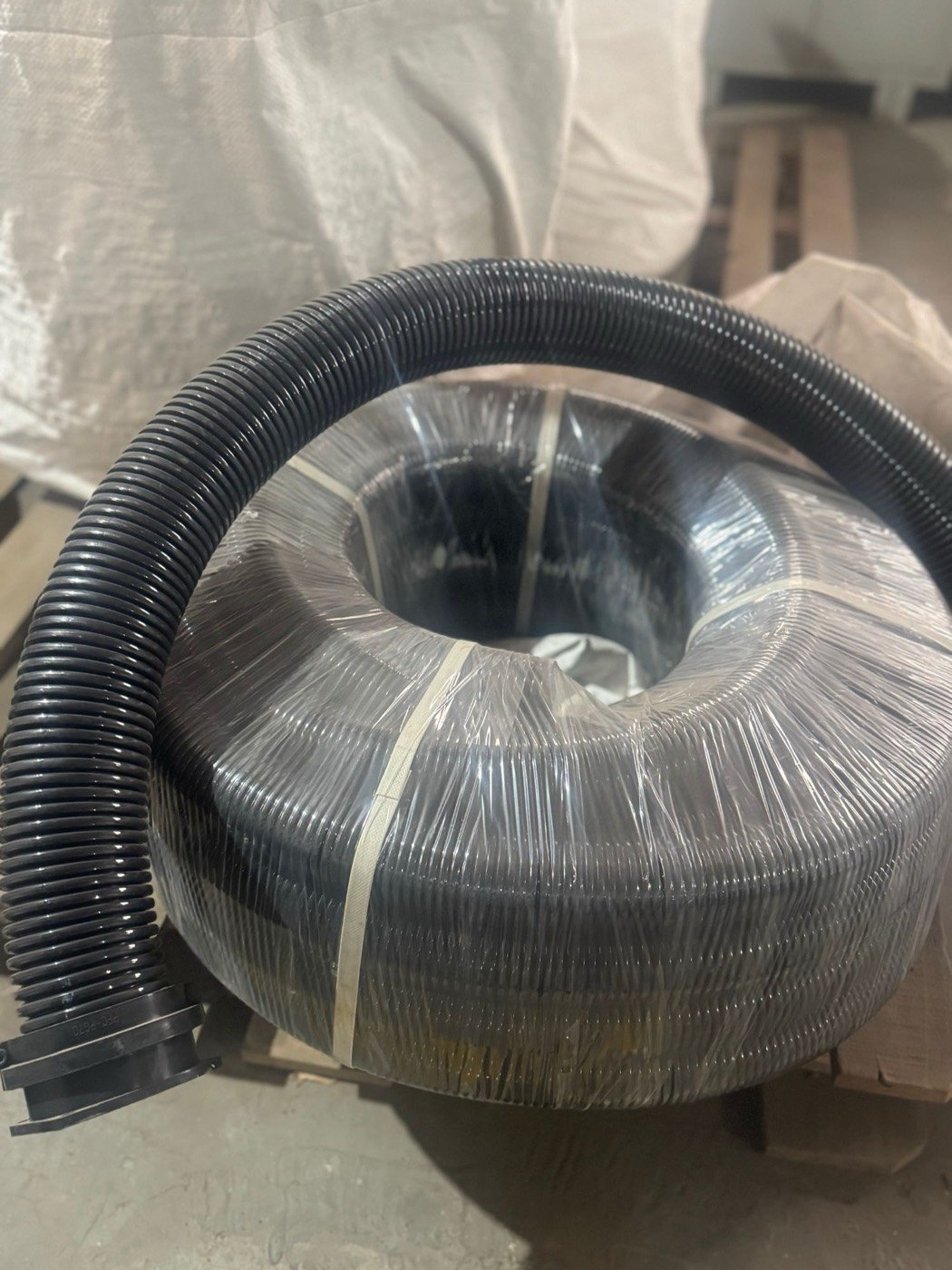
Reading an IP Rating: What IP68 Actually Requires
“IP68” gets treated as a synonym for waterproof. It isn't a fixed standard the way IP67 is.
Why Pneumatic Air Lines Leak — and How Tubing Selection Prevents It
Leaks get blamed on seals and valves. In practice, a large share trace back to the tubing itself.

Repair or Replace? Handling a Damaged Cable Sheath Without Full Replacement
A dig-in or impact damages a cable sheath. Full replacement isn't always the most practical response.

Vibration, Loose Connectors and Cable Movement: A Checklist for Machine Builders
A connector doesn't need a defect to fail under vibration — it just needs to be left unprotected long enough.
Have a specification question of your own?
Send us the application and we'll help narrow the right configuration.